The secretary
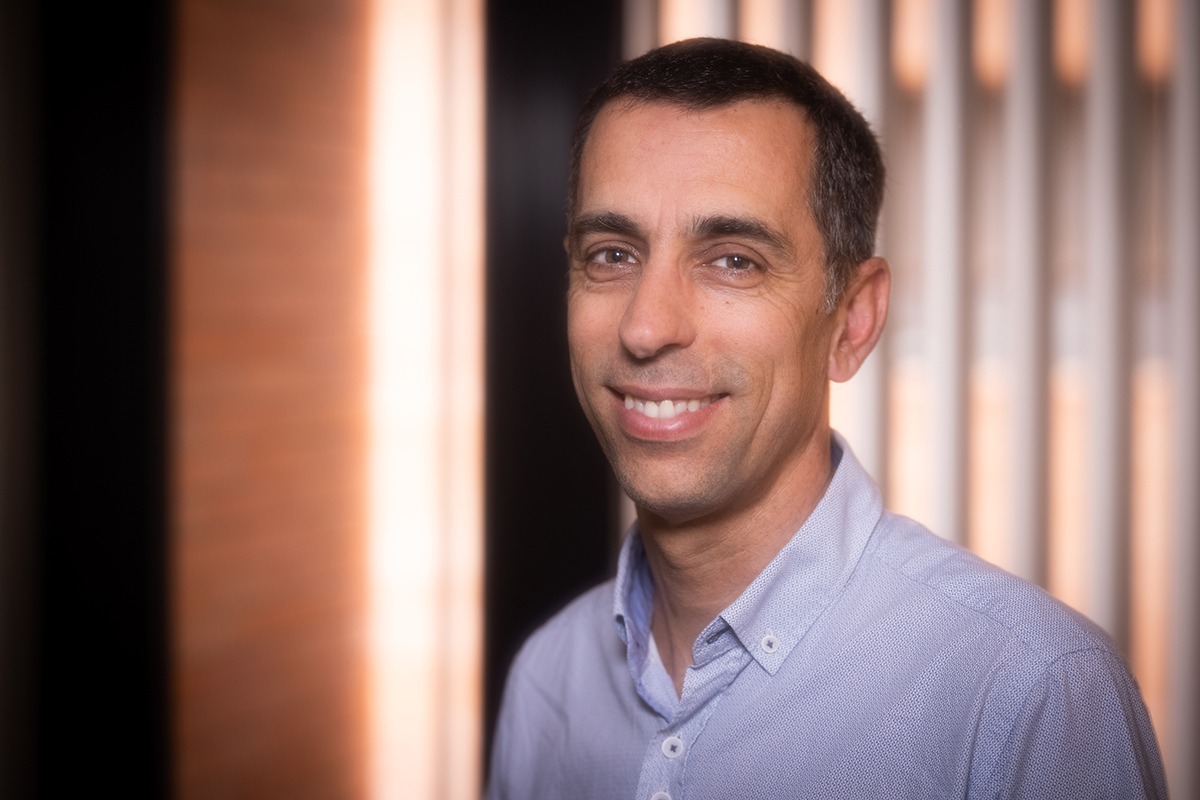
Associate professor
secretari.escoladoctorat@upc.edu
The functions of the secretary, outlined in the Regulations on the Organisation and Functions of the Doctoral School, are the following:
-
To call the meetings of the collegial bodies on the order of the chairperson.
-
To organise collegial body elections at the Doctoral School.
-
To vouch for the agreements and resolutions of the Doctoral School's governing bodies.
-
To write and keep custody of the minutes and, if necessary, the recordings of corresponding collegial body meetings.
-
To guarantee the dissemination and advertisement of the agreements, resolutions, regulations and other general rules on institutional functioning among members of the Doctoral School community.
-
To issue certificates, reports, rulings and approved agreements.
-
To draw up the Doctoral School's annual report.
-
To fulfil other functions inherent to the post entrusted to him by the Board, the director or the University's regulations.
He has participated in more than 50 R&D projects (Projects). He recently led the Impact Monitor project and currently leads its successor project; Impact Monitor 2 funded by the European Commission.
His research has resulted in multiple publications, with contributions to journals, book and chapter publications and participation in conferences. In 2022, he organised the EASN conference as local chairman, and in 2023 he was part of the local organizing team of the DASC conference.
Share: